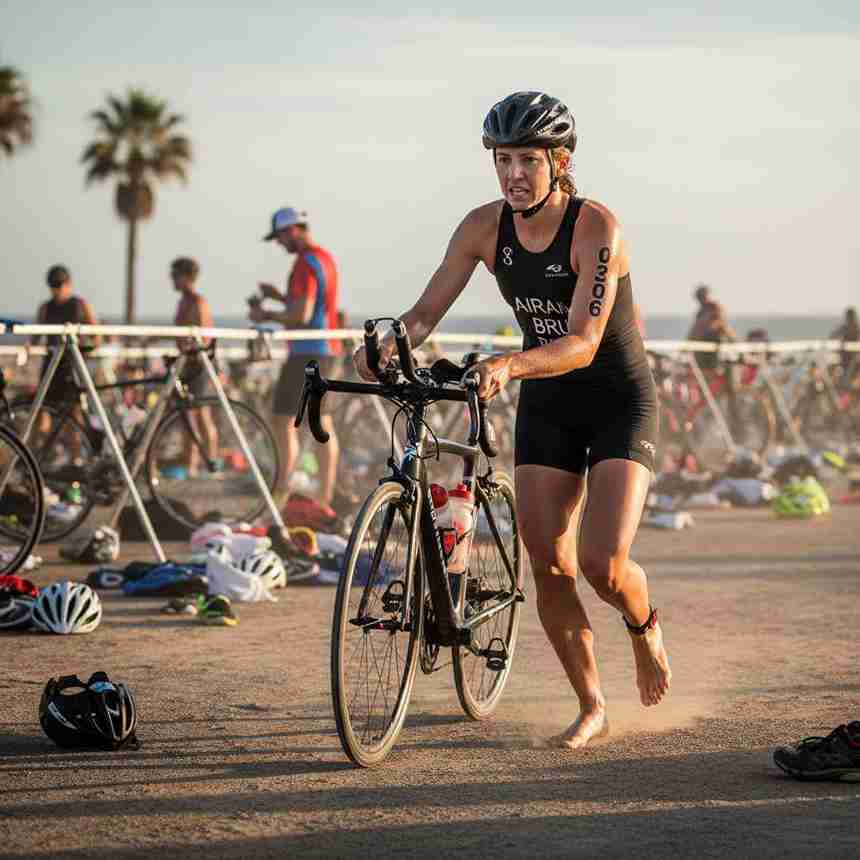
Why Recovery Matters After a Marathon
Marathon running places extreme stress on muscles, joints, and the nervous system. Without proper recovery, runners increase their risk of overuse injuries, chronic fatigue, and declining performance. Recovery is not passive — it is an active process that helps your body adapt and grow stronger.
1. Prioritise Sleep
Sleep is the most powerful recovery tool available. During deep sleep, the body releases growth hormone, repairs muscle tissue, and restores energy levels. Australian endurance coaches recommend 8–9 hours of sleep for at least a week after race day.
2. Rehydrate Strategically
Fluid loss doesn’t end at the finish line. Electrolyte balance should be restored gradually using water, sodium-rich foods, and natural sources like coconut water.
3. Active Recovery Over Complete Rest
Gentle movement such as walking, light cycling, or swimming promotes blood flow and reduces muscle stiffness. Many elite Australian runners schedule short recovery sessions within 48 hours post-race.
4. Nutrition for Muscle Repair
Focus on meals rich in lean protein, complex carbohydrates, and healthy fats. Foods like salmon, sweet potatoes, quinoa, and leafy greens support muscle regeneration and inflammation control.
5. Listen to Your Body
Pain is feedback. Minor soreness is normal, but sharp or persistent pain signals the need for rest or professional assessment. Smart recovery decisions protect long-term performance.
By following structured recovery principles, runners can return to training stronger, faster, and mentally refreshed — ready for their next Australian race challenge.